Flatlock vs Overlock Seams: Which Does Your Activewear Need?
Ask any customer why they returned a pair of leggings and the answer is rarely the fabric — it is the seams. Seam choice decides whether your activewear feels premium or cheap, whether it chafes during a marathon or disappears against the skin, and how much each garment costs to produce. Yet seam specification is one of the most misunderstood parts of activewear development.
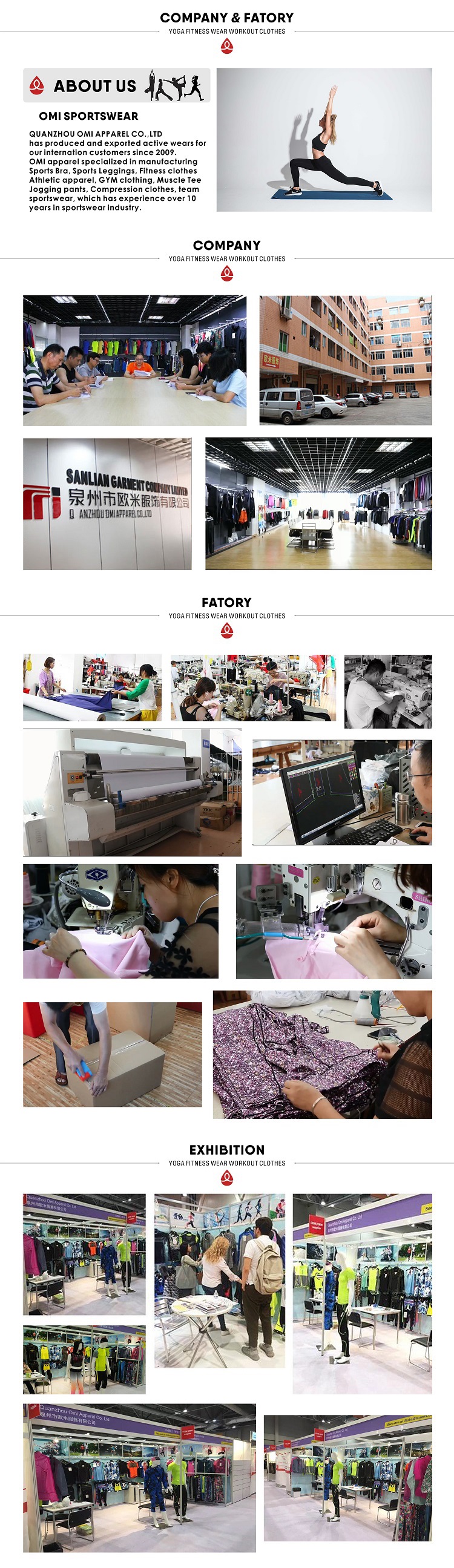
At OMI Apparel we produce garments with every major seam construction, so here is a practical, no-jargon comparison of the three you will actually choose between: overlock, flatlock and coverstitch.
The Three Seam Types in 30 Seconds
- Overlock (serged seam): loops of thread wrap the fabric edge and join panels in one step. Fast, cheap, slightly raised.
- Flatlock: two fabric edges are butted together and laced with thread, then flattened by spreading the panels. The result is a flat, low-profile seam with visible parallel stitching lines.
- Coverstitch (incl. four-needle six-thread): a hugging stitch used mostly for hems and topstitching, with straight rows on top and a looper thread underneath.
Overlock: The Workhorse
Overlocking joins most of the internal seams in entry-level and mid-range activewear — side seams, inseams, sleeve seams. Its strengths are speed, elasticity and low cost, which keeps garments affordable. Its weakness: the seam ridge sits against the skin. In low-stress areas nobody notices; in high-friction zones (inner thighs, underarms, bra bands) a bulky overlock seam can chafe during long training sessions.
Best for: T-shirts, hoodies, shorts linings, budget programs, and any seam hidden from skin contact.
Flatlock: The Comfort Champion
Flatlock creates a seam that is nearly flush with the fabric — the reason premium leggings advertise “chafe-free flatlock seams”. Because the panels are spread flat, the seam stretches with the fabric instead of restricting it, and nothing bulky presses into the skin during squats, rides or runs.
The trade-offs: flatlock uses more thread, runs slower, and requires precise cutting (the edges must match perfectly), so it costs more than overlock. On thin or slippery fabrics, a poorly tensioned flatlock can show “grin-through” — thread visible between the panels.
Best for: leggings, compression wear, cycling kits, sports bras, swimwear — anywhere the seam meets skin during movement.
Four-Needle Six-Thread: The Premium Standard
Four-needle six-thread (4N6FD) is a coverstitch variant used on high-end performance wear: four parallel needle threads on top with two looper threads underneath. It is extremely strong, highly elastic, and gives that signature professional look along leg hems and waistbands. It is slower and costlier than both overlock and basic flatlock, which is why it signals quality — at OMI Apparel it is the standard construction on our premium compression and yoga lines.
How to Choose: A Practical Decision Table
| Garment / Zone | Recommended Seam | Why |
|---|---|---|
| Leggings inseam & side seam | Flatlock | Skin contact + stretch; chafe-free |
| Waistband attachment | Coverstitch / 4-needle 6-thread | Strength + clean topstitch look |
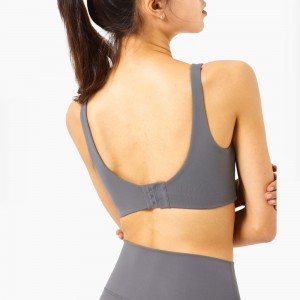
| Sports bra band & straps | Flatlock | Thin fabric, high skin contact |
| Hoodie & tee side seams | Overlock | Hidden seam, cost-efficient |
| Swimwear edges | Flatlock + coverstitch hem | Chlorine-resistant elasticity, comfort |
| Compression sleeves | Flatlock | Zero pressure points |
What This Means for Your Cost
As a rule of thumb for a pair of leggings: moving all skin-contact seams from overlock to flatlock adds roughly 8–15% to sewing labor; upgrading hems to four-needle six-thread adds more. That is real money at scale — but for brands selling at $40+ retail, it is the cheapest premium signal available. Conversely, if you are building a value program, strategic use of overlock in hidden zones keeps the price sharp without customers feeling the difference.
Tell Your Factory Before You Sample
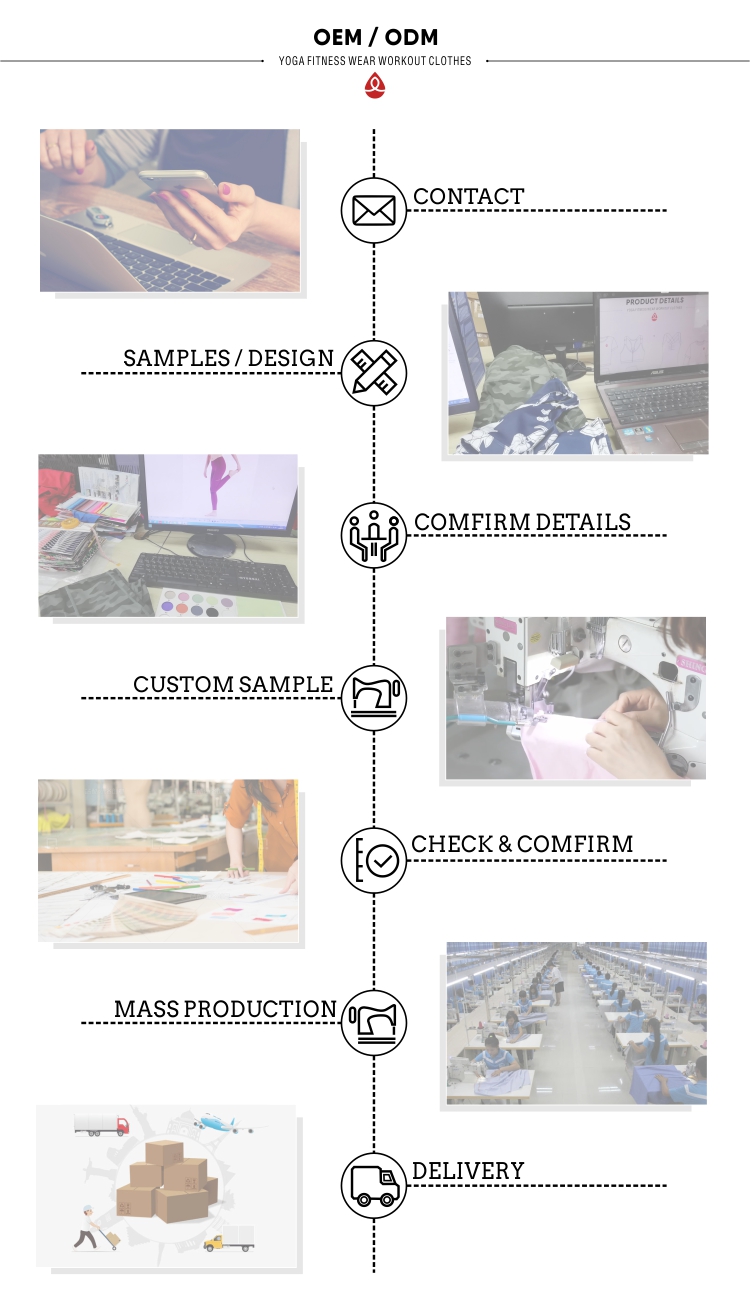
Seam type must be written into your tech pack — stitch class, SPI and exact zones. If you are unsure, send us your reference garment: we will map its seam construction, quote both options, and show you the cost difference before you commit. That way your first sample is already the garment you intend to sell.
Work With OMI Apparel
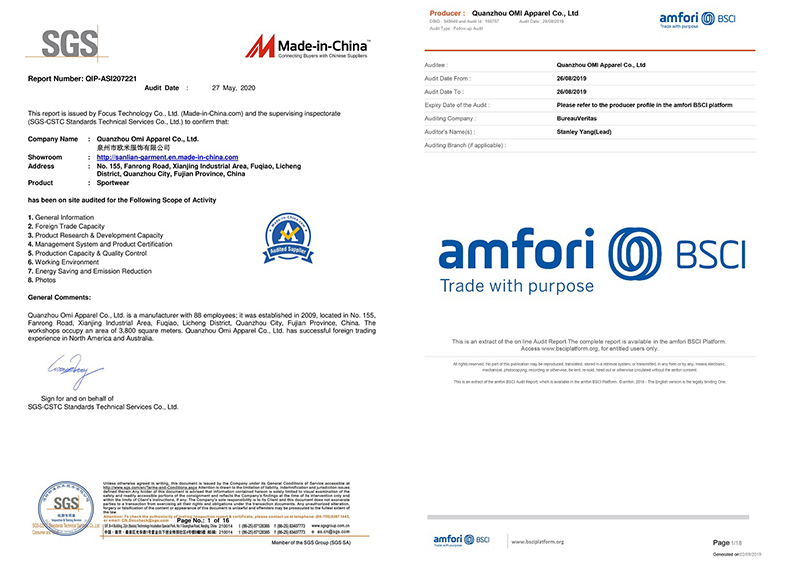
OMI Apparel is a full-package activewear manufacturer in Quanzhou, China, offering flatlock, overlock and four-needle six-thread construction across yoga wear, gym wear, swimwear and compression garments for EU and US brands. MOQ from 200 pieces per style, free tech pack development, quotation within 24 hours.